 ABCOLN FASHIONS
60 weight embroidery thread special digitizing to adapt for the thin texture
Expert Small Text Embroidering Tips for 40 vs 60 wt Threads: Mistakes, Solutions, Manufacturers, Restrictions & Cost of Embroidery
Critical Mistakes & Costly Errors
- Do not use the same digitized file that was created for 40 wt thread.
Why?
60 wt is thin and requires special patch digitizers like Abcoln and adapt to the reduced coverage in surface area along with tuning to the fabric's structure - Consider limitation in colors. The palette and options for #60 is very restricted in all the major brands (~ 10 - 20 %)
- Embroiderers use 60 wts sparsely as it takes time to hoop and unload for different projects
- #60s are slightly costlier threads
- Choose experienced digitizers like Abcoln, where there is physical samples and multiple iterations of sewouts are required to perfect while using the actual 60 wt threads - Really using the 60 wt
- Use a thinner sharp needle, preferably new, if this is your first time on the project
- As an embroiderer, reduce the speed of the machine for the first few runs. This eliminates bird nesting and thread breaks.
- If it is needed, use hand holding help from your experienced gurus, or call us at Abcoln.com, and we are here to help support you through a successful embroidery.
- Extremely few Patch manufacturers like Abcoln utilize 60 wt threads as there are discerning requirements. This is true when you are embroidering the same item direclty on your commercial embroidery machines. Especially for police, military and government logos, where department names, county and state names are always tiny.
18 alphabets of 60 wt = same width as 9 alphabets of 40 wt:
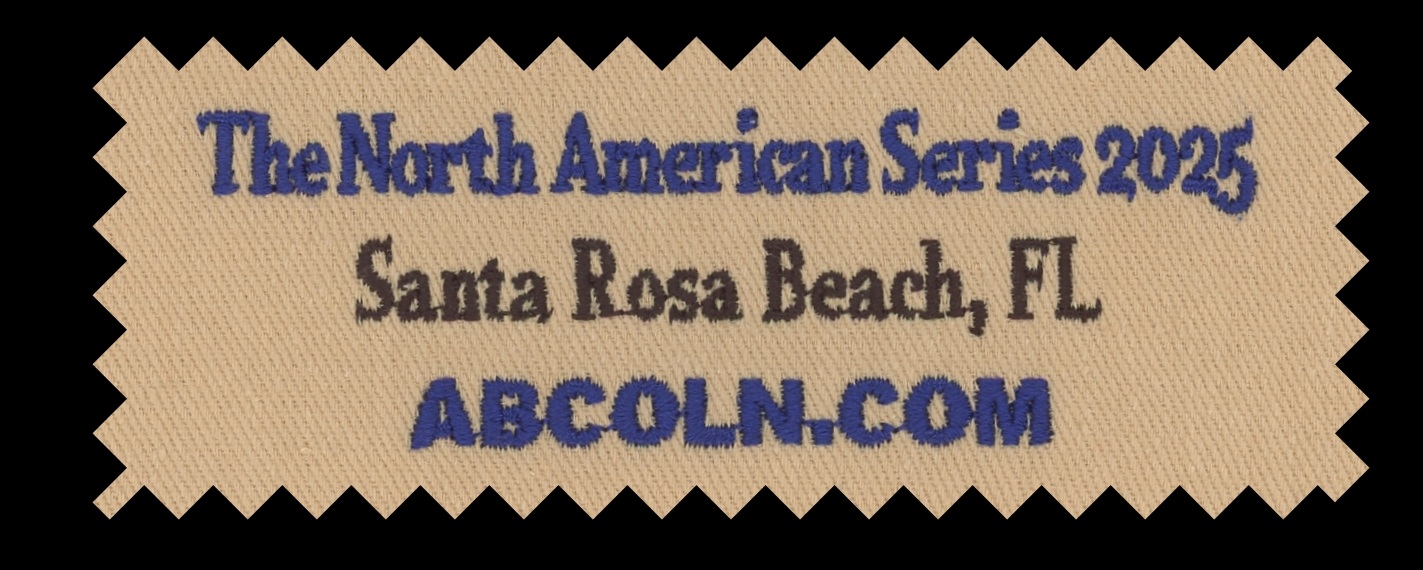
Sample above contains the small text: "Santa Rosa Beach, FL" in Black Madeira Poly Neon 60 thread, created on a Melco Summit using Design Shop Pro v12
The blue color text is a little bit bigger than the Santa Rosa text, and it is still surprisingly smaller than the 40 weight text of "Abcoln.com". This blue color is also part of the Madeira Poly Neon 60 collection, while maintaining Design Shop Pro's OFM file.
Finally the regular 40 weight thread is used as per the general standards in embroidery for the text "Abcoln.com":
Reasons to use 60 wt thread
Extremely Small Text and intricate, yet fine details requires subtle digitizing elements, especially when the text is less than 1/4"
Special Fonts like Serif vs Arial vs Block fonts require adaptations that can be embellished with critical care of 60 weight threads AND also by using an expert digitizer like Abcoln to curve and bend the necessary corners to ensure sharpness on the corners, alongside a delicate balance when dealing with swoosh, banner tails and smooth curves.
Delicate fabric including silk, chiffon, organza & voile, while working on items like shirts, swimwear, lace & lingerie needs breathable stitches and eliminate puckering, bullet proofing or bird nesting.
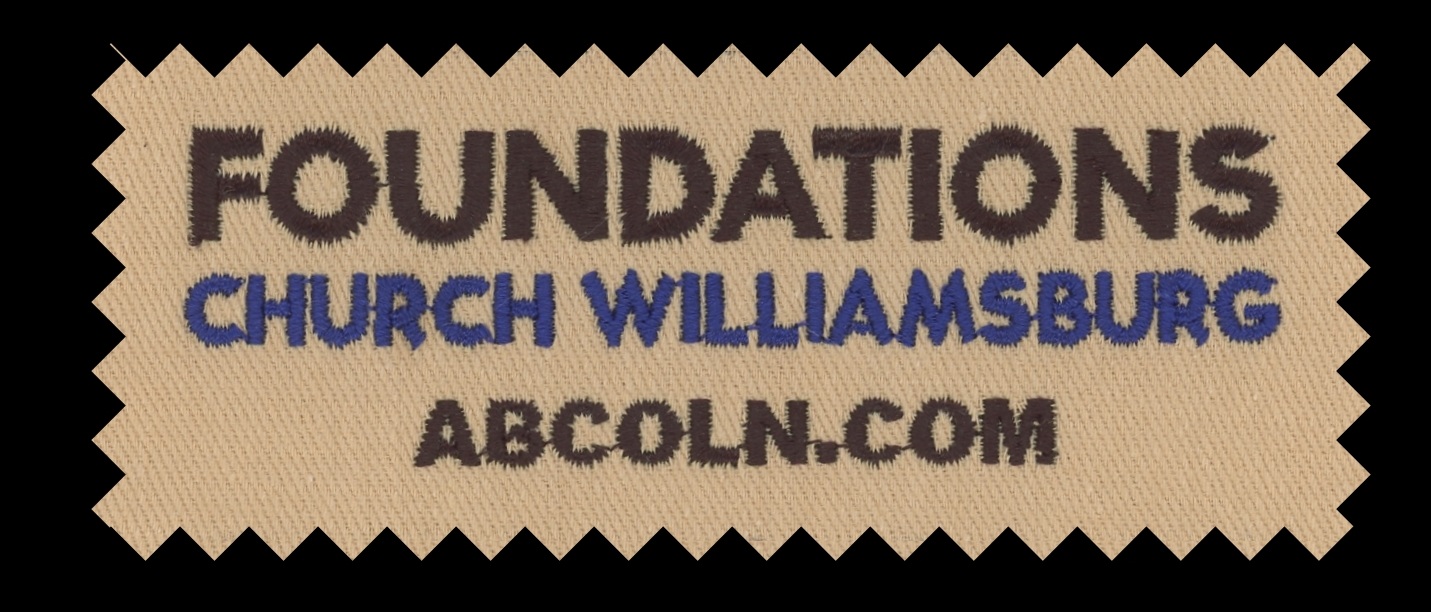
The above sewout is for the prestigious Colonial Williamsburg Foundation for fundraising during the reconstruction of the 19th-century home of the First Baptist Church of Williamsburg, VA, requiring the utmost clarity. The text: "FOUNDATIONS" in Robinson Anton's 40 weight thread, digitized in the original native Pulse Ambassador (with Dongle key) and sewn on Tajima TMAR-VC cylindrical 12-head multi head machine.
The critical line that uses the 60 wt thead is the "CHURCH WILLIAMSBURG", as you can see that the 18 alphabets occupy the exact same width as the above text FOUNDATIONS, which is just 11 alphabets long (40 wt thread). This is the beauty and power of the 60 weight thread, with almost 60% the diameter of the 40 wt threads. This is created in Robinson Anton's 60 wt Poly Neon thread, although the final embroidery required a Matte thread.
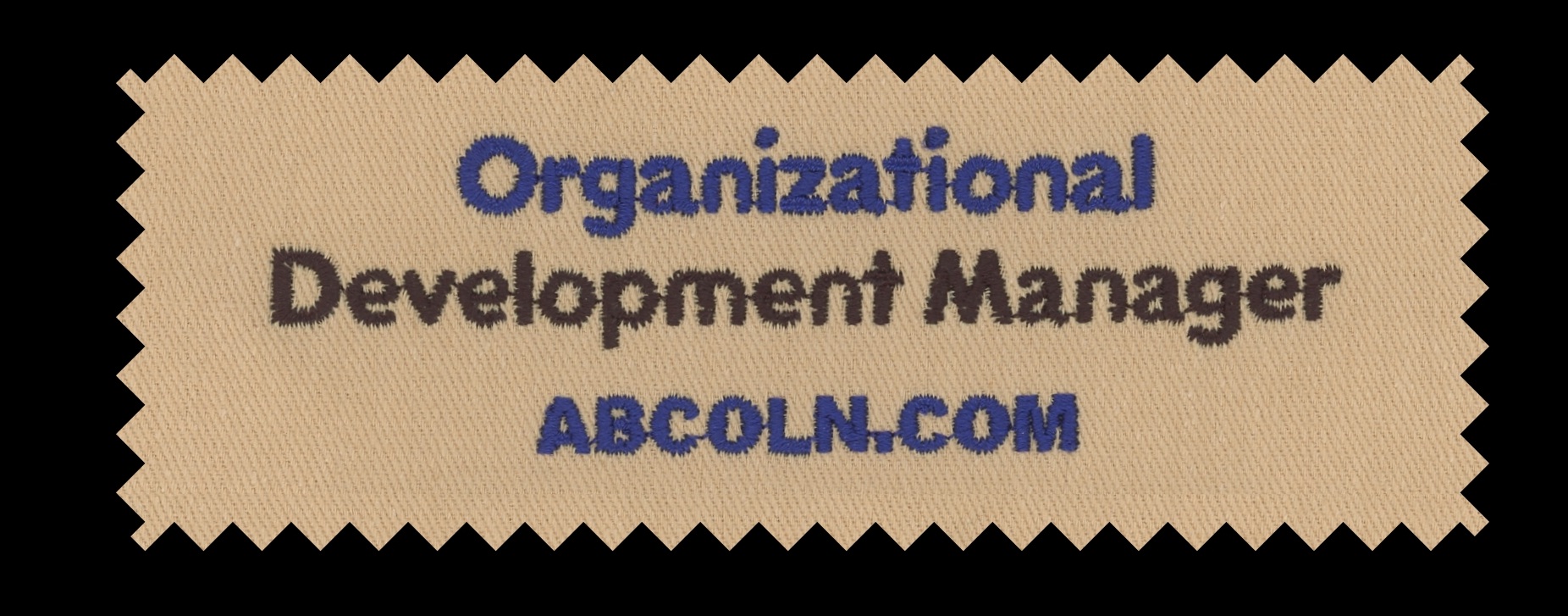
Embroidery & Application reasons to use 60 wt thread:
- Extremely Small Text, which are lower than a quarter of an inch is usually worked out with the end customer to have the design altered. But, bigger organizations have strict specifications and seldom allow for alterations. Hence, the need to use 60 weight (aka 60 denier in Europe, Asia, Australia, New Zealand, Africa & South America)
- Fine Details & Intricate work, especially with the facial features of realistic human photographs, muscle tones of animals, pets and human beings or the stems and nerves of botanical plants and nervous system of human antomy for embroidering with hospitals, dentists and medical professionals.
- Delicate Fabrics as mentioned in the aforementioned TLDR item of silk, chiffon, organza & voile, and especially on swimwear, drifits, spandex, thin sports garb, and 2-way or the tougher 4-way stretch materials for Golf courses, Tennis, Football, Soccer and Swim teams.